Why ADT Medical Alarms Still Matter for Senior Safety in New Zealand
When my mother moved into her own unit after my father passed, I spent weeks worrying about the quiet hours. She was stubbornly independent, proud of her garden, and determined to stay in the house she had known for thirty years. The thing that finally gave me peace of mind was not a complicated system or a monthly subscription. It was a simple waterproof pendant she wore around her neck, connected to a service that would send an alert if she ever fell and could not reach the phone.
The market for personal alarms has grown quickly in New Zealand, and along with it the range of choices. Among the names that come up in conversations with caregivers and aged care coordinators, ADT medical alarms are often mentioned as a familiar option. ADT has been a recognised name in security for decades, and their move into medical alert systems was a natural step. But the landscape has changed, and what works for one family might not suit another. Understanding the trade-offs matters, especially when the decision affects someone's safety and independence.
How Medical Alarms Have Evolved
Older medical alert systems were essentially a button on a pendant or a wristband. You pressed it, and a call centre would try to reach you. If you did not answer, they would contact a family member or an ambulance. That basic model still exists, and for many seniors it works well. But the technology has moved on. Modern systems now include fall detection that works automatically, GPS tracking for when someone wanders or goes for a walk, and two-way calling so the person can speak directly to a responder without needing to fumble for a phone.
The shift has been driven partly by the rising number of people living alone in their later years, and partly by the expectations of adult children who want more than just a call centre response. They want to know, in real time, that Mum is okay. That is where family monitoring comes in. Instead of a stranger making the judgement call, a mobile app can alert a designated family member or caregiver directly. You can see where the person is, whether they have moved, and even talk to them through the pendant's speaker.
ADT Medical Alarms in the New Zealand Context
When people search for ADT medical alarms, they are often looking for a system backed by a large company with a long track record. ADT has been in New Zealand for many years, mainly through its security monitoring services. Their medical alarm offering is built on that same infrastructure, which means the monitoring centres are already in place, and the response protocols are well established. For someone who values a big-name provider with a national footprint, that can be reassuring.
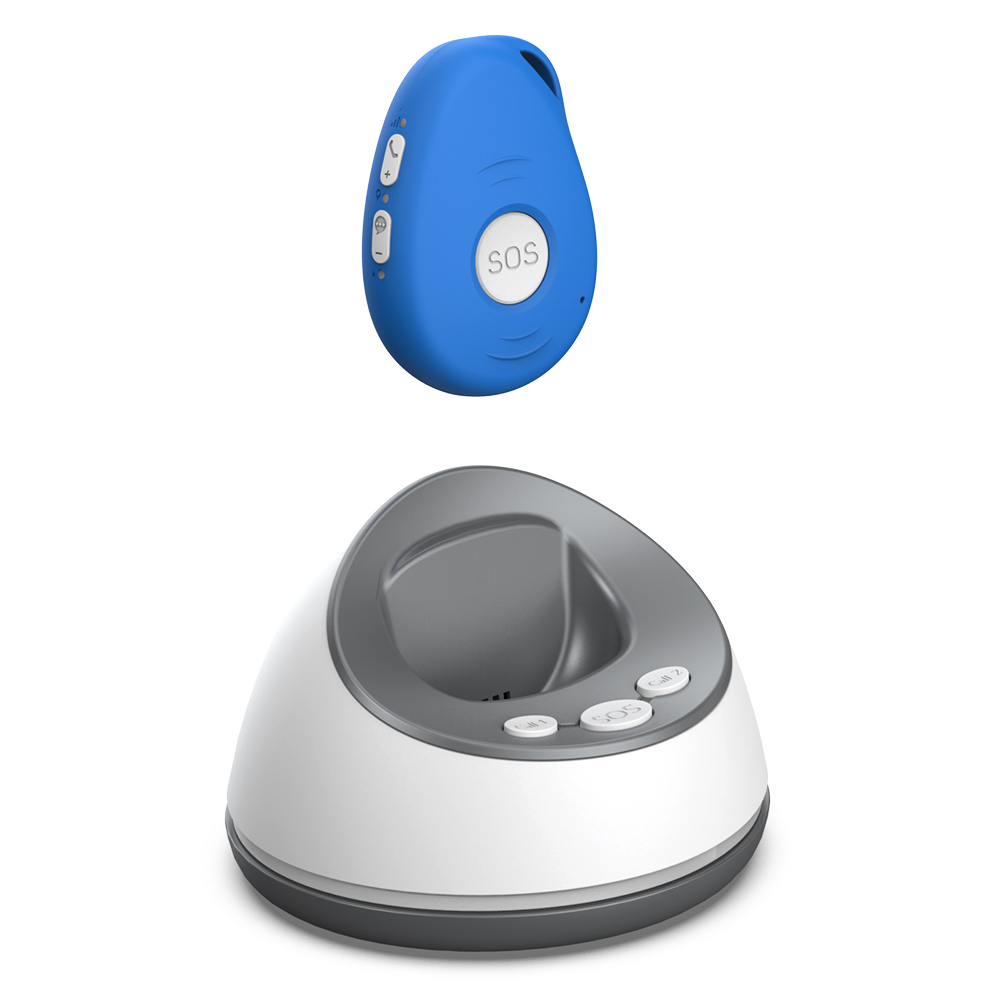
But there are nuances. ADT's medical alarms typically come with a monthly fee, and the equipment is often tied to a contract. That works for some families, but others prefer a model with no ongoing costs after the initial purchase. The device itself is usually a pendant or a wall-mounted unit, and it connects through the home phone line or a cellular network. In New Zealand, where Vodafone and Spark are the major mobile networks, compatibility can be an issue if the system relies on a specific carrier. It is worth checking which network the alarm uses, especially in rural areas where coverage varies.
One limitation I have heard from caregivers is that ADT medical alarms, at least the older models, do not always include fall detection as standard. Fall detection is the feature that makes the biggest difference for seniors who might be unconscious or unable to press the button after a fall. Accidents at home are the most common reason for emergency alerts, and a fall can happen in seconds. If the pendant does not detect the fall automatically, the person has to be conscious and able to press it. That is a gap worth thinking about.
The Role of GPS Tracking and Mobility
For seniors who still drive, walk to the shops, or visit friends, GPS tracking adds a layer of security that a home-based system cannot provide. If someone with Alzheimer's wanders away from home, a GPS-enabled pendant can help locate them quickly. That is something a traditional ADT medical alarm might not offer unless you upgrade to a specific model. Newer systems from other providers in New Zealand now include GPS as a built-in feature, and the devices are often smaller and more discreet than the older units.
I remember a story a St John volunteer told me. An elderly man with early-stage dementia went missing from his home in Christchurch. His family had a basic pendant, but it did not have GPS. It took several hours to find him, and by then he was dehydrated and confused. After that, his daughter switched to a system with location tracking and a waterproof pendant he could wear in the shower. She said the peace of mind was worth far more than the monthly fee. That kind of real-world experience highlights why GPS tracking is becoming a standard expectation rather than a luxury.
Two-Way Calling and Real-Time Communication
Another feature that separates older systems from newer ones is two-way calling. With a basic alarm, you press the button, and a call centre operator calls you back on a landline or a speaker. That works, but it can be slow. With two-way calling built into the pendant itself, the person can speak directly to the responder without moving to a phone. The responder can hear what is happening, assess the situation, and decide whether to send help or just reassure the person that someone is coming.

For families, this is a big improvement. Instead of waiting for a callback, they can be looped in through the mobile app almost instantly. Some systems allow the family member to listen in on the conversation or speak directly to their loved one through the pendant. That kind of family monitoring changes the dynamic from a passive alert to an active care network. It also reduces false alarms, because the family can see that Mum just bumped the button while gardening, and they can cancel the alert before an ambulance is dispatched.
What to Consider Before Choosing a System
If you are comparing options, start with the basics. Does the person need fall detection? Do they spend time outside the home? Are they comfortable wearing a pendant, or would they prefer a wristband? How reliable is the cellular network in their area? And critically, what happens if the power goes out? A good system will have battery backup that lasts at least 24 hours, and the pendant itself should have a battery that lasts days or weeks depending on usage.
Here are a few practical points to weigh:
- Waterproof rating: The pendant should be showerproof or fully waterproof, because falls are common in the bathroom.
- Range: Some systems only work within a certain distance of the base unit. Others use cellular or GPS to work anywhere.
- Monthly fees vs. one-off cost: ADT medical alarms usually have a recurring fee. Other providers, like Familyr, offer systems with no monthly fees after the initial purchase.
- Response time: How quickly does the call centre answer, and what happens if you miss their call?
- Family access: Can you monitor the system from your phone, even if you live in a different city?
For seniors who are still active and like their independence, a system with GPS and two-way calling is hard to beat. For someone who rarely leaves the house and has a strong family network nearby, a simpler pendant might be enough. The key is matching the technology to the person's actual life, not to a marketing brochure.
The Real Cost of Waiting
I have heard too many stories where a family put off buying a medical alarm because they thought it was too expensive or too complicated. Then a fall happened, and the person lay on the floor for hours before anyone found them. The hospital bills, the loss of confidence, the move into aged care earlier than planned, those costs are far higher than any monthly fee. Investing in a good alarm is not about spending money. It is about protecting a way of life.

ADT medical alarms are one option among many, and for some families they are the right choice. The brand recognition, the established monitoring network, and the integration with home security systems can be advantages. But do not assume that a big name means the best fit. Look at the specific features: fall detection, GPS tracking, two-way calling, battery backup, and whether the pendant is truly waterproof. Compare those against the person's daily routines, including nights out or trips to the supermarket.
In New Zealand, the market for personal alarms has matured to the point where you can find a system that matches almost any situation. Whether you choose ADT medical alarms or a newer provider, the most important step is to start the conversation. Talk to your parents, talk to their GP, and talk to other families who have been through it. The right system will let your loved one stay in their own home longer, with dignity and with a safety net that you can both trust.